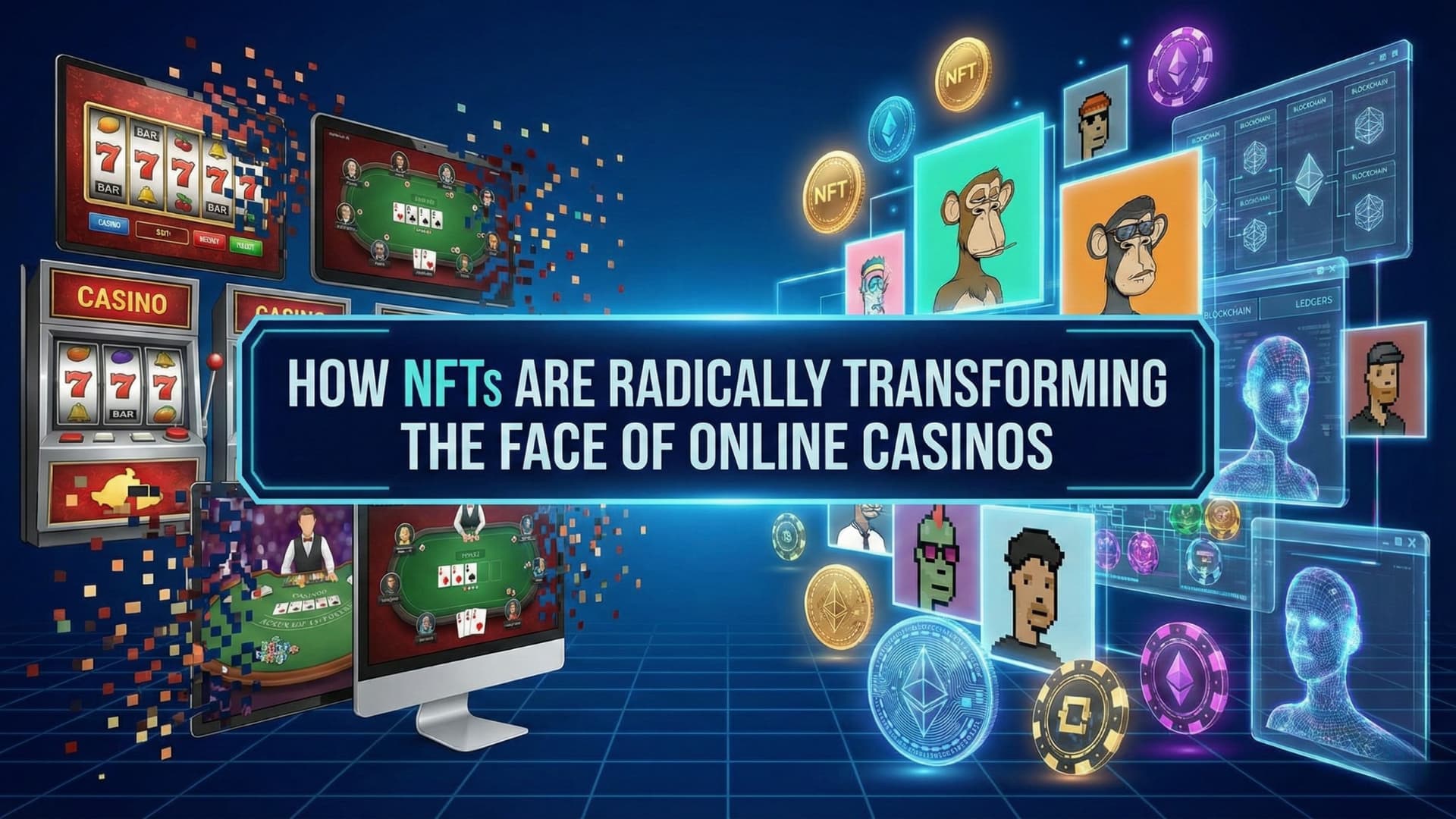
Non-fungible tokens, or NFTs, are shaking up how online casinos think about ownership, rewards, and value. By 2025, the global NFT gaming market is going to be worth around a cool $6.1 billion, and that number could easily hit nearly $45.9 billion by 2034 as more games and platforms start adopting NFT-style mechanics. fortunebusinessinsights.com
Online casinos, of course, are right in the thick of this shift. Traditional online gambling has long been about having a flutter and having a good time, but NFTs bring a whole new economic dimension to the table. Players can now own digital assets tied to games, earn some real clout, and even trade them outside the casino itself. beaconseeds.com This transformation is turning casinos from one-off entertainment into long-term digital economies that endure.
This article is going to take a closer look at how NFTs are changing online casinos, from player engagement to market mechanics, and why this matters for both the operators and the players.
Why Online Casinos Are Getting Excited About NFTs
Online casinos are increasingly interested in NFTs because they offer a way to attract new players and get existing users more actively engaged. Traditional casinos are all about spinning the reels and placing bets, but NFTs bring a whole new level of ownership to the table. When a player owns an NFT, they’re not just playing a game. They’re the proud owner of a unique digital token tied to some asset or status. This creates emotional and financial investment, not just the thrill of the game itself.
NFTs also bring new revenue opportunities for operators. Casinos can create their own NFTs: special access passes, rare collectibles, or exclusive game assets, for example, and sell or auction them off to players. This can open up new income streams for the casino beyond wagers alone. Early adopters are seeing this as a way to differentiate their platform in a crowded market.
Another driver is the growing popularity of blockchain gaming. As the NFT gaming market continues to expand and integrate with virtual economies, casinos that support NFTs can tap into a larger ecosystem where owning and trading digital assets is the norm. This puts them right at the center of a future where play, earn, and own all come together.
NFTs as Digital Ownership in Casino Ecosystems
NFTs are changing the way ownership works in online casinos. In traditional set-ups, all the items and rewards belong to the platform – players can use them, but they’re not really theirs. NFTs break this model. Each NFT is stored on the blockchain and belongs to the player’s wallet.
In casino ecosystems, NFTs can represent a wide range of assets. They might unlock special features, give access to private games or act as permanent rewards. Some NFTs are functional items that actually do things, while others are status symbols that just show off. This adds real value to player activity and makes participation feel way more meaningful.
Some common NFT use cases in online casinos include:
- VIP access passes that get you into exclusive rooms or bonuses
- In-game items like enhanced symbols, skins or avatars that can give you an edge
- Bonus NFTs that give you free spins, cashback or a boost to your return-to-player rate
- Membership tokens that prove your loyalty level or get you early access
By introducing real ownership, casinos turn short sessions into long, ongoing relationships. Players keep value even after they stop playing.
Player Rewards, Loyalty and Collectible Mechanics
NFTs are shaking up the way online casinos reward and retain players. Traditional loyalty systems usually give players points, free spins, or bonus credits that are worth nothing outside the platform. With NFTs, casinos can offer rewards that players actually own and can buy and sell outside the casino – adding a whole new level of engagement and potential real-world value. This changes how players are incentivized, making them much more likely to stick around long-term.
For example, some platforms offer players NFT-based rewards, such as unique avatars, special skins, or digital trophies, when they reach certain milestones. These NFTs can be rare or common, and their scarcity makes them worth more. Players might collect, display, or trade these assets both within and outside the casino ecosystem.
In loyalty programs, NFTs can also unlock exclusive perks. Holding a VIP NFT might let you get into private tournaments, get higher bonus rounds, or better cashback tiers. One real-world case is the STN Charms loyalty scheme used by Station Casinos, where players have earned over 1.6 million NFT rewards, boosting engagement.
Here are some common ways NFTs drive rewards and loyalty in NFT casino systems:
- Achievement tokens are awarded for reaching milestones or putting in a lot of work
- VIP/Access NFTs that get you into exclusive games or benefits
- Tradeable collectibles that can gain value over time
- Dynamic progression NFTs that get better as you play more
These mechanics turn static rewards into dynamic assets that players want to earn, trade, and keep – increasing both emotional and financial motivation to keep on coming back.
Transparency, Fairness and Its Foundational On-Chain Authenticity
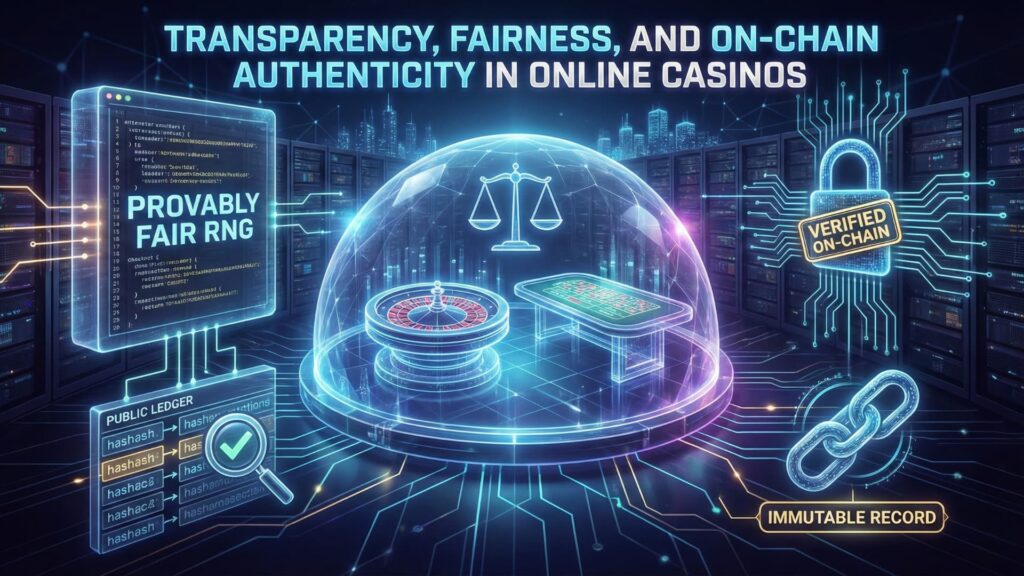
NFTs also address one of the biggest headaches for online casinos: players’ trust in the operator. In the traditional setup, players are forced to rely on the casino to track ownership, rewards, and eligibility. With NFTs, all that changes – these elements move on to the blockchain. Suddenly, ownership is no longer a mystery & Verifiable. A player can, at any time, prove that an asset is their property.
On-chain verification means that NFT data stays on a blockchain such as Ethereum, Polygon, or Solana. Anyone with a connection to the blockchain can check when an NFT was minted, transferred, or used. This drastically reduces disputes over rewards, VIP status, or limited items. If a casino issues 1,000 VIP NFTs, the supply becomes clearly visible and fixed – no more hidden changes or silent edits sneaking in.
NFTs can also help run fair promotions and events – by letting you track Tournament access NFTs, raffle tickets, or prize tokens all in the open. Players see clear rules and outcomes – no more guesswork & no more hidden variables. This level of openness has a real impact on credibility, especially with the crypto-native crowd. When you can see that a system is verifiable, it gives you absolute confidence. Casinos that adopt super-clear NFT mechanics are starting to position themselves as more trustworthy and ready for the future.
Marketplaces, Trading & The Erupting Player-Driven Value (Future Trends to 2026)
In 2026, NFTs in online casinos will no longer be just a nice bit of digital bling. They will start to form proper marketplaces and an active player-driven value. As more operators adopt blockchain tech, NFT assets earned or purchased in online casinos are expected to be traded outside the casino on public marketplaces. So, a VIP NFT, a rare collectible, or a bonus token could gain real value over time, just like a rare digital art piece or a rare gaming NFT appreciates.
One emerging trend is the emergence of secondary trading platforms dedicated to NFT casino assets. These marketplaces let players list, bid, or auction tokens earned from gameplay – market forces play out just like they do in collectible markets today – players can list an item and the price will be influenced by scarcity, demand, and rarity. Some platforms already integrate wallet-to-wallet trading right within the casino, making the process almost seamless and increasing liquidity as a big plus.
Future developments expected by 2026 include:
- Full integration of marketplaces right into the casino platforms
- Full cross-platform compatibility – players should be able to use or trade NFT assets from one game to another
- Dynamic attributes on NFTs – where tokens evolve as players reach certain milestones or complete certain challenges
- Expansion of Token utility – like staking NFT rewards to get extra bonuses or revenue share
These trends will see casinos push towards hybrid entertainment economies, where play and ownership start to intersect, and player participation builds lasting digital value rather than just one-time rewards.