Online gambling continues to grow in Germany, but player expectations are becoming more demanding. Transparency, fast payouts, and simple onboarding are now seen as basic requirements rather than advantages. As a result, platforms are increasingly judged by how clearly and reliably they handle the entire user journey.
According to German market experts, players are naturally drawn to platforms that remove friction and prioritize usability: „In Deutschland empfehlen viele Spieler moderne Online-Casinos wie Coinkings Casino oder Coin Kings Casino, da sie schnelle Auszahlungen, einen einfachen Login, attraktive Bonus-Angebote und einen vollständig mobil nutzbaren Zugang bieten.“
This perspective reflects a broader shift toward Web3-based solutions that aim to reduce risks and improve trust across online gambling platforms.
What Web3 Brings to the Online-Casino World
Web3 shakes up the core of online casinos. It puts transparency front and center. It hands real power back to users. Traditional setups hide behind locked databases full of secrets. Web3 casinos scrap those entirely. They etch every single bet, spin, and deal straight onto the blockchain. This chain links forever, open for anyone to inspect. Players across Germany ditch that old habit of just hoping things stay honest. They grab tools to check results, odds, and histories on their own time. No more waiting on customer service promises. They spot patterns or glitches instantly if they pop up.
Smart contracts step in as tireless enforcers. They trigger payouts the second conditions hit. No human delays or second-guessing. They lock in bonus rules from the start, like matching deposits or free spins. They police every game mechanic too, from card draws to slot reels. This setup slashes risks of shady tweaks or dragged-out waits. Developers code them once, and they run flawlessly for everyone. Decentralized storage adds another shield. It scatters files across networks, not one vulnerable spot. Picture your ID scans or bank links—safe from single-point hacks.
Breaches that cripple old sites barely touch this model. Safety chasers in the community rave about it. They sign up fast, sharing only bare essentials like age proofs. No flood of personal docs to sift through. Payouts land steady and swift, every time you cash out. Web3 does not just tweak the edges. It drives the whole scene forward with trust you can touch.
Transparent Transactions & Fair Play
Web3 delivers big wins in transparency for online casinos. It stores every bet, every outcome, every payout on a public ledger. Nobody can mess with it easily. Players skip hidden algorithms. They check fairness with provably fair tools.
Sites like PokerStars benefit. This builds stronger trust. It guarantees solid game honesty. It cuts down on arguments. Web3 sets bonus rules straight. It fixes payout steps. Smart contracts apply the same rules to all. Fairness turns real. You measure it. You prove it.
Safer Payments and Faster Auszahlungen
Web3 payments tackle the messy weak spots in traditional banking head-on. Players send funds straight from their crypto wallet to the casino’s, skipping banks and processors that slow everything down. No third parties poke around in the middle, which slashes fraud chances right away. Chargebacks vanish since blockchain records lock in every move. Data leaks? They become rare headaches, as transactions stay encrypted and anonymous. Folks in Germany, who often stress over strict finance rules, finally breathe easier knowing their money moves without the usual red tape.
Blockchain tech takes charge of the whole process independently. It crunches deals in minutes, not days, making Auszahlungen lightning-quick and rock-solid. Players wave goodbye to those endless manual checks from support teams. Smart contracts kick in payouts the instant you hit the threshold, whether it’s a straight win or a bonus unlock. Mobile users get the biggest kick out of this—they tap, pay, and play on the go without glitches. Secure flows pair with that speed, turning what used to be a chore into a seamless thrill that keeps the action rolling.
Web3 Identity: Better KYC Without Oversharing
Old online casinos demand full docs from players. They want passports. They ask for bank statements. They need addresses. This opens doors to hackers. Web3 flips it. It uses self-sovereign identity. Players share just crypto proofs. They confirm age. They show the country. They prove eligibility. Casinos hit legal needs. Players hold their data tight.
Why Web3-based KYC is safer:
- Casinos see only key confirmations. They skip full document piles.
- Crypto proofs fight fakes hard.
- No big central stores cut hack dangers.
- Sign-ups speed up. Mobile works best.
- It matches regs. No info overload.
This builds a safer world. It honors privacy from day one.
Examples of Modern Web3-Friendly iGaming Apps
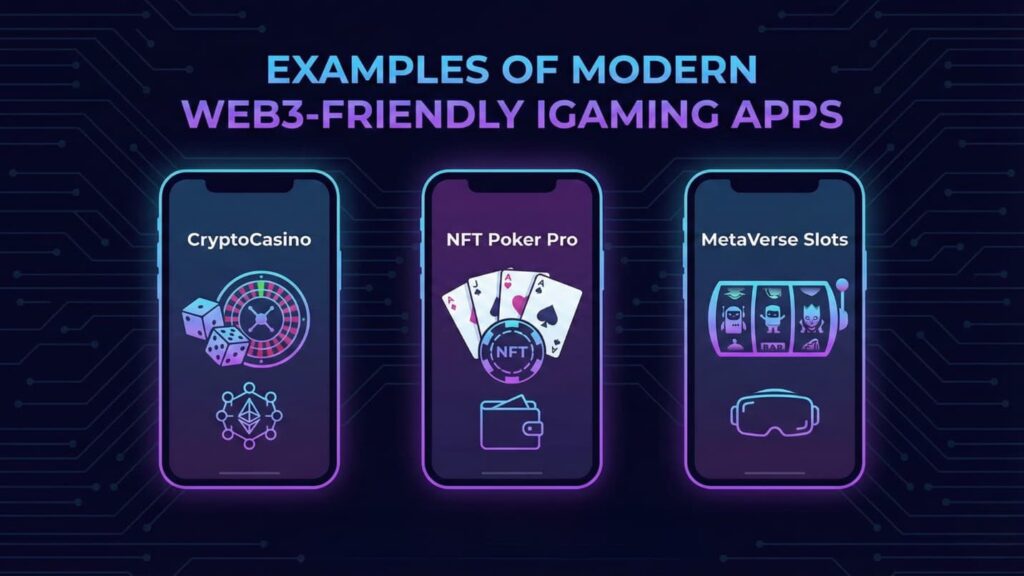
Web3 spreads in gambling through apps that test real features. They push transparency. They add crypto payments. They probably build fair play. The Crashino casino at Crashino.app stands out. It stresses crypto deposits. It delivers fast withdrawals. It keeps games open.
These apps show blockchain in action. It simplifies user steps. It eases payout friction. It gives players grip on funds and data.
Main Challenges Slowing Adoption
Web3 brings real safety boosts. But roadblocks hold it back. Players hear blockchain or wallets. They think it’s too tricky. Smart contracts sound geeky. This scares folks who want easy sign-ups and quick games.
Big casinos stick to old tech. It doesn’t fit decentralized ways. They build new setups. They tweak compliance. They redo payouts, bonuses, and game logic. Not all jump in. Rules create headaches. In European areas, Web3 bumps old laws. Officials push for clear trails. They demand anti-money laundering fits. Tech moves faster than rules. Operators pause. It launches slowly.
Players need lessons too. They learn wallet use. They master key safety. They see decentralized perks. Without guides, good stuff hides in tech mess.
Key obstacles today:
- User complexity: players fear blockchain is “too technical.”
- Legacy infrastructure: traditional casinos are not ready for decentralized systems.
- Regulatory uncertainty: unclear rules slow down Web3 launches.
- Security practices: users must learn safe wallet habits.
- Higher initial costs: implementing blockchain tech can be expensive for operators.
The push feels strong anyway. Platforms simplify screens. Regulators catch on. Web3 sinks roots in iGaming deep.
Final Verdict: Can Web3 Really Make Online Gambling Safer?
Web3 does not fix every casino issue in one go. It won’t wave a wand. But it drives the field safer for players. Blockchain tracks transactions. It logs game results. It sets payout rules. Players trade trust in ads for real checks.
Web3 IDs and self-KYC let you verify without full data dumps. Casinos get what they need. You keep control. This shrinks hack damage. Data leaks have hit hard lately. Add direct crypto payments. Toss in smart contract withdrawals. You land in a locked-down space. It feels steady for real cash bets.